Year: 2025

Mirrors for Entryways: Making a Welcoming First Impression

The entryway sets the tone for the rest of the home. It is the first space guests notice, and it influences how they feel as soon as they walk in. Creating a warm and inviting entrance does not require major renovations. Sometimes, a single mirror, even a vanity mirror, can transform the entire atmosphere. Mirrors expand the sense of space, reflect light, and introduce style in a simple yet effective way. With thoughtful choices, homeowners can turn even the smallest entry area into a bright and welcoming introduction to their home. This guide explains how mirrors enhance entryways and how to select and place them for maximum impact.

Enhancing Space in Smaller Entryways
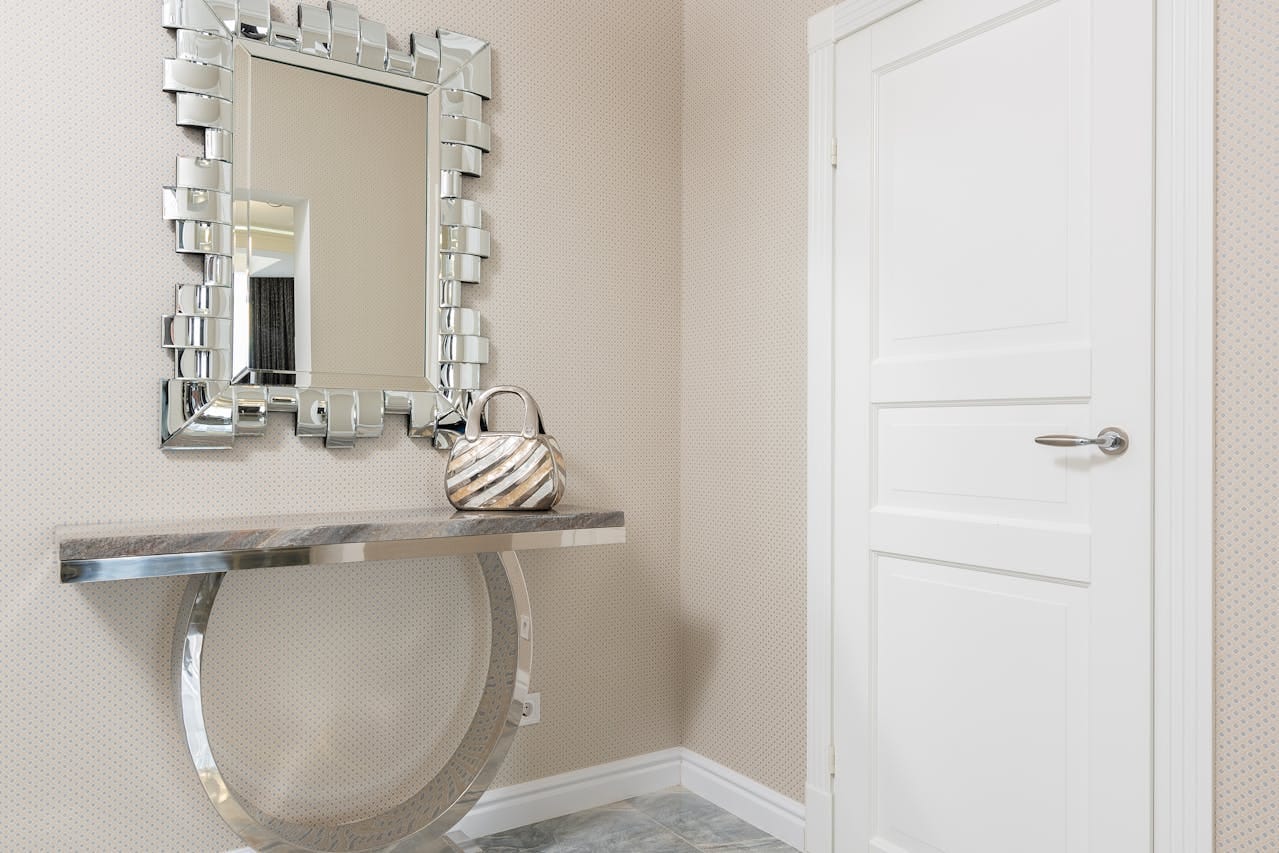
mirror Many entryways feel narrow or enclosed. Mirrors offer an easy solution. Their reflective surface creates the illusion of extra width and depth. When positioned correctly, a mirror makes the entryway feel larger without changing its actual layout. This effect helps open up limited space and reduces the sense of tightness. A well-placed mirror along a narrow wall adds visual breathing room. Even compact foyers benefit from this simple adjustment. The goal is to encourage airflow and comfort the moment someone enters.

Reflecting Natural and Indoor Light

Light plays a crucial role in shaping the mood of an entryway. Mirrors help amplify it. Placed across from a window, a mirror bounces daylight into the space. This brightens the area and makes it more inviting. When natural light is limited, mirrors work with indoor lighting to produce a similar effect. Soft or warm tones gain strength when reflected, creating an atmosphere that feels lively and welcoming. This combination helps ensure that the entryway maintains a pleasant glow throughout the day.

Adding Style Through Mirror Shapes and Frames

Mirrors serve a practical purpose, but they also act as decor. The shape and frame you choose contribute to the overall design of the entryway. Round mirrors add softness and balance. Rectangular mirrors offer structure and elegance. Arched mirrors bring a unique charm that highlights the home’s personality. Frames matter as well. Wood frames add warmth. Metal frames introduce modern appeal. A bold frame becomes a focal point, while minimalist designs blend seamlessly with existing decor. These details shape an entryway that feels both stylish and cohesive.

Creating a Functional Checkpoint Near the Door

Entryways serve a functional purpose. They are often where people pause before leaving the house. A mirror enhances this routine by giving homeowners a quick spot for last-minute checks. It becomes a convenient part of daily life. Guests also appreciate having a place to adjust their appearance when they arrive. This simple function adds value and supports the overall flow of the home. When blended with a console table or a small decorative shelf, the mirror becomes part of a practical and attractive setup.

Establishing a Focal Point for Visual Impact
mirror

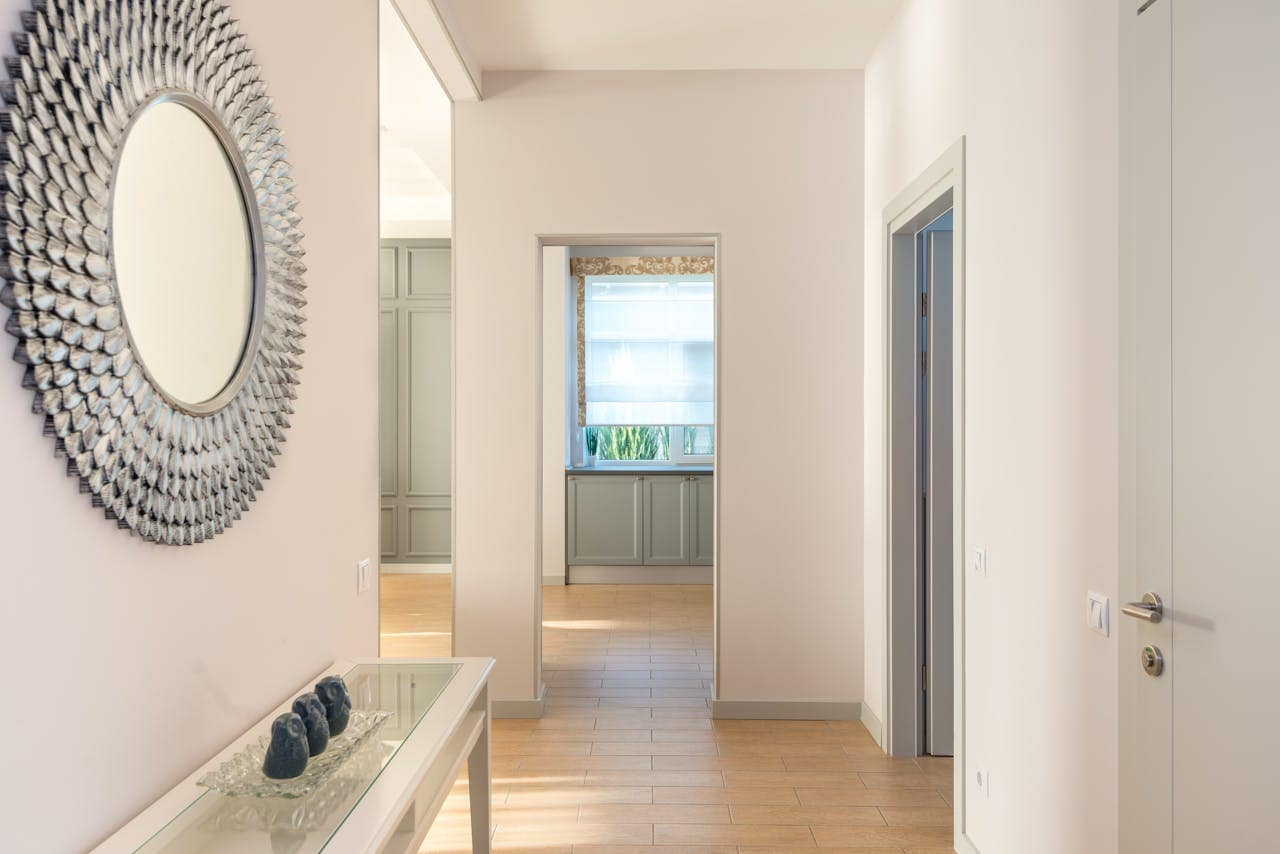
Every entryway benefits from a focal point. A mirror naturally draws attention. It guides the eye and sets the tone for the rest of the space. The right mirror can anchor the design, creating a clear centerpiece around which other decor revolves. This helps organize the visual elements of the entryway and reduces clutter. The area feels intentional and polished. Whether the mirror is large and dramatic or small and classic, its presence adds structure and identity to the space.

Balancing Entryway Decor With Simplicity

While mirrors can enhance the entryway, balance is essential. Too many decorative items can overwhelm the space and take away from the mirror’s impact. A thoughtful arrangement ensures harmony. Placing a mirror above a lean console or alongside a single piece of art keeps the entryway open and welcoming. A simple vase, a plant, or a few small accents can complement the mirror without crowding the area. This approach maintains clarity and gives the mirror room to shine.

Selecting the right mirror depends on the entryway’s size, lighting, and style. Large …

What If Your Next Sofa Could Breathe? A Look Into Living Furniture

It sounds like science fiction: a sofa that breathes, a table that responds to touch, or a chair that actually grows. But thanks to breakthroughs in biomaterials, biotechnology, and sustainable design, the concept of living furniture is no longer just a wild idea—it’s a real and evolving trend. Picture this: instead of a static piece of decor, your furniture becomes a responsive, dynamic part of your environment. It’s a whole new way of thinking about the spaces we live in. So, what exactly is living furniture, and why might your next couch be more alive than you think?

Redefining What Furniture Can Be

Traditional furniture has always been about form, function, and aesthetics. But living furniture adds a fourth dimension: life. This could mean incorporating organic materials like moss, algae, or fungi into the structure of the piece—or even using biotech-enhanced fabrics that react to your body heat or humidity. The goal isn’t just to sit or sleep comfortably—it’s to create a deeper connection between you and the objects you live with. Furniture stops being just in the room; it becomes part of the room’s ecosystem.

The Rise of Bio-Responsive Materials

One of the most exciting aspects of living furniture is the use of bio-responsive materials. These are substances that can adapt to their environment—expanding, contracting, changing color, or even “breathing” in response to touch, light, or temperature. Imagine a sofa that subtly adjusts its firmness depending on your posture, or fabric that becomes more breathable on a hot day. These aren’t futuristic fantasies anymore—they’re prototypes being tested in design labs around the world.

Living Decor That Actually Lives

Some designers are taking the “living” idea literally, incorporating plants, moss, or even microorganisms into furniture. Think coffee tables with built-in terrariums, or wall panels made from lichen that clean your air while looking amazing. Not only do these pieces add natural beauty and a calming vibe to your space, but they also support better indoor air quality and sustainable living practices. It’s decor with benefits—and it’s blurring the line between indoor and outdoor environments.

Sustainability Meets Innovation

A major driver behind living furniture is sustainability. With fast furniture (think cheap, disposable options) creating major waste problems, designers are turning to more regenerative solutions. Living materials can often be grown rather than manufactured, and many are biodegradable or recyclable. Fungi-based furniture, for example, is made from mycelium—the root-like structure of mushrooms—which can be molded into sturdy shapes and then composted after use. It’s a way of thinking beyond trends and toward a truly circular design future.

The Emotional Connection to Living Design

There’s something powerful about living with objects that grow, shift, or evolve. Living furniture invites interaction and builds emotional connection—something you don’t usually get from a mass-produced ottoman. These pieces often feel more like companions than things, and that connection can encourage us to care for them longer and treat our spaces more thoughtfully. It’s not just about function or aesthetics anymore—it’s about relationship.

Living furniture challenges the way we think about our homes. Instead of static, lifeless pieces, we’re moving toward a future where furniture breathes, adapts, and grows alongside us. Whether it’s made from natural materials, responsive tech, or living organisms, this new wave of design is about connection—between people, nature, and the spaces we inhabit. So, next time you’re furniture shopping, don’t just ask how something looks or feels. Ask yourself: what if it could breathe?…

Roof Inspections in Maui: What to Expect and Why It’s Worth It

With the unpredictable weather and occasional storms in Maui, your roof takes a beating. That’s why scheduling regular inspections is key to preserving your home. When you hire a maui roofing contractor, you’ll ensure your roof stays in top shape, saving you from expensive repairs down the line.

What Happens During a Roof Inspection?

Roof inspections are crucial for identifying problems early, before they escalate. During the inspection, a roofing expert will examine your roof for signs of damage, deterioration, or wear. They’ll inspect the shingles, flashing, gutters, and overall roof structure. This process involves checking for leaks, cracks, or any vulnerable spots where water could seep in. The inspection typically involves both a visual examination and a closer look at the materials used on the roof. They’ll check for things like missing or broken shingles, which can leave your home vulnerable to water damage. The inspector may also climb into your attic to assess the roof’s internal condition, ensuring there are no hidden problems.

Why Regular Roof Inspections Are Crucial in Maui

roof insoection

Maui’s climate is beautiful, but it can be tough on your roof. From the intense sun to the occasional storm, your roof faces many challenges. Regular roof inspections help keep your home safe from unexpected leaks or structural damage caused by the weather. They also give you a clearer picture of your roof’s overall health, making it easier to plan for repairs. Without an inspection, it’s easy to overlook small problems, which can escalate quickly. A small leak might not seem like a big deal at first, but if left unchecked, it can lead to mold growth, wood rot, or even damage to your home’s foundation. Regular inspections can catch these issues early, saving you money and preventing major headaches later.

What to Look for in a Roofing Company

Not all roofing companies are created equal, so it’s important to do your research. When looking for a Maui roofing contractor, make sure they have experience with the specific challenges Maui roofs face. Check reviews, ask for recommendations, and ensure they are licensed and insured to operate in Hawaii. A trustworthy contractor will provide a comprehensive inspection report and suggest solutions that suit your specific needs. They will also be transparent about their pricing and the services they offer. You can expect them to address any questions you have and give expert recommendations on how to care for your roof.

Maui Roofing Contractors: Professional Help for Peace of Mind

roofing contractors

The best way to maintain your roof is by hiring a professional to handle regular inspections. A trusted Maui roofing contractor can assess the condition of your roof and recommend any necessary repairs or improvements. With their expertise, you can rest assured that your roof is in good hands.

Regular roof inspections are a must for homeowners in Maui. By staying on top of your roof’s condition, you can avoid costly repairs and keep your home safe from the elements. So don’t wait for the next rainstorm to uncover an issue—schedule an inspection today and give your roof the care it deserves.…

How Often Should You Change Your AC Filter?

When the summer heat rolls in, your air conditioning unit becomes your best friend, but did you know that a small but vital component can make or break its performance? That’s right; your AC filter plays a crucial role in keeping your home cool and comfortable. Changing it regularly enhances efficiency and also improves indoor air quality. So, how often should you be swapping out that filter? Let’s dive into the factors that influence this essential maintenance task and uncover some signs that indicate it’s time to make a change.

Factors That Determine How Often to Change Your AC Filter

filter

The frequency of changing your AC filter primarily depends on the type of filter you use. Some air conditioning filters are designed for longer life, while others may need replacing every month. Your home environment plays a significant role as well. If you have pets, dander and hair can clog the filter more quickly. Likewise, if you live in a dusty area or near construction sites, expect to change it more often. Seasonal changes also affect filter lifespan. During peak summer months when your air conditioning is working overtime, check that filter frequently. Consider how often you run your AC unit. The more it operates, the faster particles accumulate in the filter. Keeping an eye on these factors will help maintain optimal performance for your air conditioning system.

Signs That Indicate It’s Time to Change Your AC Filter

If you’ve noticed a drop in your air conditioning performance, it might be time to check the filter. Reduced airflow can signal that dust and debris have built up, restricting circulation. Another symptom is a rise in energy expenses. A blocked filter causes your AC unit to work harder, resulting in increased power bills. Pay attention to any strange scents as well. Musty or stale odors may suggest mold development on a filthy filter. Frequent allergy flare-ups in your home? A contaminated filter can’t trap allergens effectively, which may aggravate respiratory issues. If you see visible dirt on the filter itself when inspecting it, that’s a clear indicator of neglect. Keeping an eye out for these signs ensures optimal function and comfort throughout those hot months.

Tips for Maintaining Your AC Filter

repair

Regular maintenance of your AC filter is crucial for optimal performance. Start by checking the filter monthly, especially during heavy usage months like summer. If you notice dust buildup or discoloration, it’s time to clean or replace it. A dirty filter restricts airflow and can strain your air conditioning system. Consider investing in a high-quality filter that lasts longer and captures more pollutants. HEPA filters are an excellent option for allergy sufferers. Don’t forget to vacuum around the AC unit too. This helps remove debris that could affect efficiency. Scheduling professional inspections annually ensures everything runs smoothly, extending the life of your air conditioning system. Regular maintenance not only improves indoor air quality but also helps maintain energy efficiency—saving you money on utility bills.

Keeping your AC system running efficiently is essential for comfort and energy savings. Regularly changing your air conditioning filter plays a crucial role in this maintenance process. By understanding the factors that influence how often to replace the filter, recognizing signs that indicate it’s time for a change, and following simple upkeep tips, you can ensure optimal performance from your air conditioning unit.…